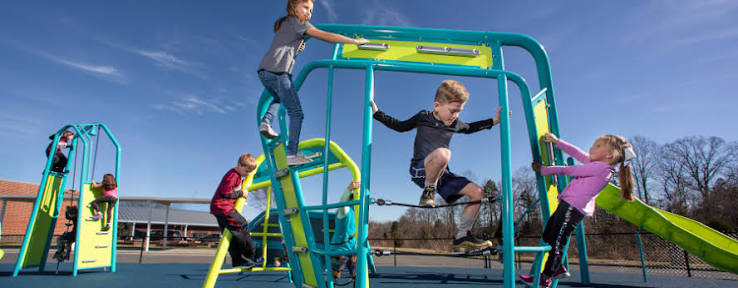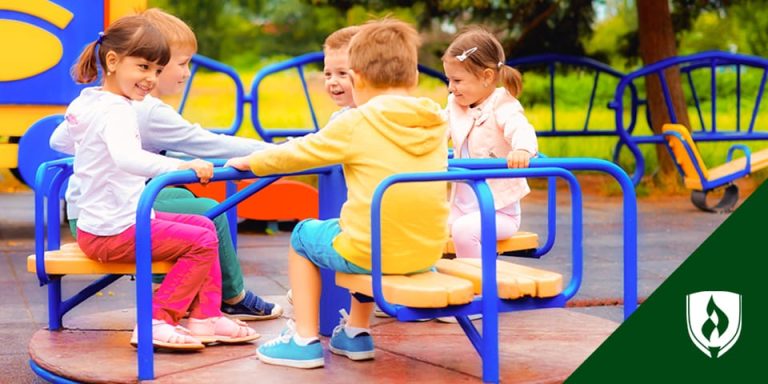
Some Saskatchewan schools have made physical activity part of how the whole school runs, not just something that happens during gym class. Here’s what actually sets these schools apart.
Parents sometimes come across the term “in motion School” and wonder exactly what it means for their child’s day. It isn’t a separate curriculum, a special uniform, or an add-on program bolted onto the existing timetable — it’s a way of describing schools that have deliberately built physical activity into the fabric of the school day, well beyond the minutes officially scheduled for PE class.
These schools tend to share a handful of common habits rather than following one single formula handed down from above. What makes them recognizable isn’t any one program or purchase, but the consistency with which movement shows up across a normal week — in the classroom, in the hallway, at recess, and in how staff and students talk about being active together.
The Four Things These Schools Tend to Have in Common
Daily movement built beyond PE class
Activity shows up throughout the week, not only during the one or two periods officially scheduled for physical education — short breaks, active transitions, and classroom movement all count.
Staff buy-in across the building
Teachers who model and support activity, rather than leaving it entirely to the PE specialist, help movement feel like a shared school value instead of one department’s responsibility.
Real student voice in the process
Students who help choose and lead activities are far more likely to stay engaged than students who are simply told what to do during activity time.
A connection that reaches home
Simple activity ideas shared with families extend the habit beyond the school day, so movement doesn’t stop the moment the final bell rings.
None of these four habits require new facilities or a special budget line. Most start with a small group of staff and students simply deciding to try something different for a single term.
What Changes for Students, Day to Day
The clearest way to understand the shift is to compare a typical school day with one where activity has been built in more deliberately. The differences are rarely dramatic on their own, but they add up quickly across a full school year.
A typical day
- Activity is limited mostly to one PE class per week
- Recess equipment is limited or first-come, first-served
- Activity ideas stay inside the school building
- PE class is run roughly the same way year after year
An “in motion” day
- Short movement breaks are added between regular lessons
- Equipment loans and student leaders keep recess active for more kids
- Simple activity ideas are shared home with families regularly
- Staff try new inclusive activities and share what works with colleagues
“None of these changes require new facilities. Most start with a small group of staff and students deciding to try something different for a term.”
A pattern seen across schools that adopt this approachWhy This Approach Tends to Stick
Programs that rely on a single event — a fun run, an assembly, a poster campaign — often produce a short burst of enthusiasm that fades within a few weeks once the novelty wears off. Schools that take a more embedded approach tend to see steadier results, because the activity isn’t something students have to remember to do on their own; it’s simply part of how the day already works. A five-minute stretch break between math and reading doesn’t require motivation, because it’s already built into the schedule rather than left to chance.
This also spreads the benefit more evenly across the student body. A single sports team or an annual fun run mainly benefits students who are already inclined toward physical activity in the first place. Movement breaks, inclusive recess options, and classroom-based activity reach every student, including those who would never sign up for an extracurricular team or a competitive event.
Where student leadership fits in
Many of these schools give older students a real role — leading a stretch break, organizing a recess game, or helping younger students learn a new activity from scratch. This does two things at once: it reduces the load on teaching staff who are already stretched across many responsibilities, and it gives students a genuine sense of ownership that tends to make the whole initiative feel like it belongs to the school community, rather than something imposed from outside by an administrator or a ministry program.
A Quick Self-Check for Schools
A school doesn’t need every item checked off to be moving in the right direction — but each one represents a meaningful, achievable step.
- 1Students get some form of movement break beyond scheduled PE class.
- 2Recess equipment is accessible to students who don’t bring their own gear.
- 3At least one staff member champions activity initiatives school-wide.
- 4Families occasionally receive simple, low-effort activity ideas from the school.
A Model Other Schools Can Adapt
What makes this approach realistic for schools of any size or budget is that it’s built from small, repeatable habits rather than large one-time investments. A school doesn’t need to overhaul its entire schedule to move in this direction — starting with one movement break a day, one better-equipped recess, or one staff member willing to lead by example is often enough to begin shifting the culture of an entire school.
It’s also worth remembering that no school arrives at this all at once. Most “in motion” schools built their approach one small change at a time, often over several years, adjusting as they learned what worked for their particular staff, students, and building. A rural school with a single classroom teacher covering PE for several grades will naturally take a different path than a large urban school with a dedicated specialist and a bigger gym — and both can still get there.
Frequently Asked Questions
Common questions from parents and staff about what it takes for a school to become more active.
Is “in motion School” an official designation or certification?
It’s best understood as a description of a school’s approach rather than a formal title — it refers to schools that have deliberately built activity into the school day beyond scheduled PE class, not a certificate issued by any single body.
Does this require hiring a dedicated activity coordinator?
No — many schools start with an existing staff member volunteering to champion the effort alongside their regular duties, rather than creating a new paid role from the outset.
How long does it typically take to see a cultural shift?
Most schools report noticing a shift within a term or two once movement breaks and better-equipped recess become routine, though building it fully into the school’s culture is usually a multi-year process.
Can a very small school realistically do this?
Yes — smaller schools often move faster precisely because fewer staff need to agree on a change, even though they may face different resource constraints than larger schools.
What’s the easiest first step for a school just getting started?
Adding one short movement break a day between lessons is usually the simplest starting point, since it requires no new equipment, no schedule change, and no budget approval.