Physical education time is one of the few guaranteed windows in a child’s week for movement. Making that time count matters as much as how much of it there is.
Every school schedules physical education differently, and the time allotted for it varies by grade and by division across the province. What tends to matter more than the exact number of minutes is how those minutes are used. A PE class built around a handful of competitive drills reaches a small group of confident athletes; a PE class built around variety and participation reaches nearly everyone in the room.
Saskatchewan’s own province-wide survey on physical education, conducted alongside the Ministry of Education and the University of Saskatchewan, looked specifically at how schools deliver PE and encourage activity and healthy eating. The findings echo what many teachers already sense: the schools that see the biggest gains aren’t necessarily the ones with the most resources, but the ones that treat physical activity as something woven through the whole school day, not confined to one period.
Principles That Make PE Time Work Harder
Participation first
Structuring activities so every student is moving for most of the class, rather than waiting in line for a turn, dramatically increases the actual activity minutes a class delivers.
Skill variety
Rotating between different types of movement — throwing, balance, endurance, teamwork games — helps students who aren’t drawn to traditional sports still find something they enjoy.
Low-pressure entry
Activities that don’t require prior skill make it easier for reluctant students to join in without feeling singled out or behind their classmates.
Movement beyond PE class
Short activity breaks during regular lessons, active transitions between classes, and energetic recess options all add meaningful minutes outside the PE schedule itself.
The schools with the strongest participation rates usually measure success by how many students are moving, not by how competitive the activity is.
Ideas That Work Well in a Classroom or Gym Setting
Station-based circuits
Small groups rotate through short stations rather than one activity for the whole class, which keeps movement continuous and reduces waiting time between turns.
Classroom activity breaks
A five-minute stretch, dance, or movement game between lessons helps reset focus and adds activity minutes without needing any gym time at all.
Modified, inclusive games
Adjusting rules so a game works for a wide range of skill levels keeps more students engaged for the full activity, not just the strongest players on the field.
Outdoor learning blocks
Taking a portion of a lesson outside — even a short walk-and-talk discussion — adds movement to subjects that aren’t traditionally physical in nature.
Supporting Teachers Who Deliver PE Without a Specialist
In many Saskatchewan schools, physical education is taught by classroom teachers rather than dedicated PE specialists, particularly at the elementary level. This is exactly where simple, well-documented activity ideas make the biggest difference — a teacher without a sport-specific background can still run an effective, inclusive class using straightforward games that need little equipment and even less setup time.
Professional development, shared activity guides, and peer mentoring between schools all help close this gap. A short list of reliable, low-equipment activities that any teacher can run confidently often does more for consistent PE delivery than access to specialized equipment few classrooms actually have.
“A teacher doesn’t need a sport-specific background to run an effective PE class — they need a short list of activities they can trust.”
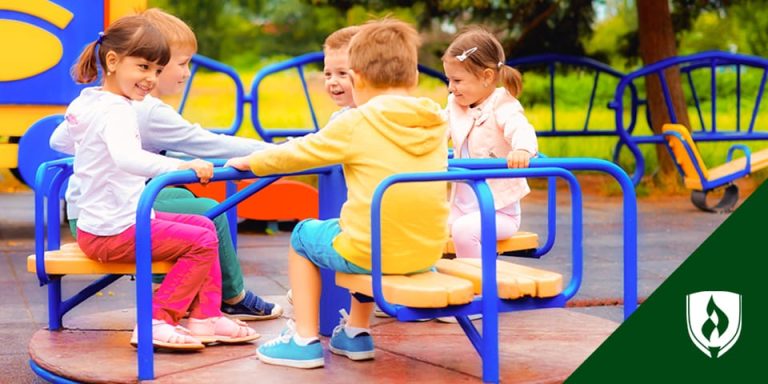
A common theme among Saskatchewan elementary schoolsBuilding a School Culture Around Activity
PE class is one piece of a bigger picture. Schools that see the strongest results tend to combine several approaches at once rather than relying on the gym period alone.
Active recess options
Simple loaned equipment like balls, skipping ropes, and hula hoops keeps recess active for students who might otherwise stand around waiting for something to do.
Student action leaders
Older students trained to lead games for younger grades build ownership across the school and free up staff time during busy periods.
Family communication
Sending home simple activity ideas connects what happens at school with what happens after the bell rings each afternoon.
Recognizing effort, not just talent
Celebrating participation and improvement keeps activity appealing to students of every ability level, not only the naturally athletic ones.
Why This Matters Beyond the School Day
A student’s experience of PE class shapes how they feel about physical activity well beyond graduation. A class that felt inclusive and enjoyable tends to leave a positive association that carries into adulthood; a class that felt competitive or exclusionary can do the opposite, sometimes for decades. Schools that take the time to structure PE thoughtfully aren’t just filling a curriculum requirement — they’re shaping how an entire generation of students will think about movement for the rest of their lives.
Common Mistakes That Undercut PE Time
- 1Elimination-style games. Games where students sit out after one mistake cut activity time for exactly the students who need it most.
- 2Long lines for one piece of equipment. Waiting for a single ball or station wastes minutes that could be spent moving.
- 3Skill drills with no game context. Isolated drills without a fun application tend to lose reluctant students quickly.
- 4No variation across the term. Repeating the same few activities every week leaves out students who simply aren’t drawn to those particular sports.
Frequently Asked Questions
Common questions from teachers and parents about making the most of PE class time.
How much PE time does a typical Saskatchewan student get each week?
This varies by grade, division, and individual school, since there isn’t one uniform schedule applied province-wide — checking with your school’s timetable is the most accurate way to know.
Can a classroom teacher without PE training still run an effective class?
Yes — using straightforward, low-equipment activities and shared activity guides, a classroom teacher can run an inclusive, effective PE class without a sport-specific background.
What’s the fastest way to increase activity minutes without more gym time?
Reducing waiting time within existing PE classes — through station-based circuits and modified games — usually increases actual movement minutes faster than adding new scheduled time.
Do competitive games have any place in an inclusive PE class?
They can, as long as rules are modified so students of different skill levels stay engaged for the full activity rather than being eliminated or sidelined early.
How can parents support what happens during PE class?
Reinforcing simple activity ideas at home, and speaking positively about PE class regardless of a child’s athletic ability, helps carry the same inclusive attitude beyond the school day.