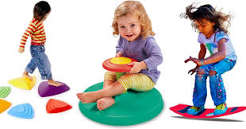
When the snow piles up and the days get short, keeping kids moving takes a little more creativity. Here’s how Saskatchewan families are doing it without missing a beat.
Winter in Saskatchewan has a way of putting the brakes on outdoor play. The playgrounds empty out, after-school bike rides disappear, and screens quietly fill the extra hours. It’s a pattern almost every family recognizes, and it’s not a lack of willpower — it’s a lack of easy options. The good news is that staying active in winter doesn’t require expensive gear, a heated pool, or a perfectly sunny afternoon. It just requires a few reliable go-to activities that work whether it’s minus five or minus twenty-five outside.
This list is built around one idea that shows up again and again in successful family activity programs: make the active choice the easy choice. When movement is built into the shape of a normal day rather than treated as a special event, kids do it without being asked twice.
Why Winter Movement Matters More Than We Think
Children’s activity levels tend to drop noticeably once the temperature falls, and that dip can last the entire winter if nothing interrupts it. Beyond the physical side — stronger muscles, better sleep, healthier weight — regular movement also supports mood and focus during the darker months, when many kids and parents alike feel more cooped up than usual. A short burst of activity before or after school can make the difference between a restless evening and a calm one.
The goal isn’t to replicate summer activity levels indoors. It’s to find winter-specific routines that kids actually look forward to, so activity doesn’t feel like a chore squeezed in around the cold.
5 Ways to Keep Kids Moving This Winter
Turn the backyard into a mini rink or trail
You don’t need a Zamboni to make good use of snow and ice. A flooded patch of backyard becomes a small skating spot, and a shovelled loop around the yard turns into a scooter or fat-bike track once packed down. Even a simple snow fort building session covers more physical effort than most kids realize.
Book a standing weekly slot at the local rink or gym
Many Saskatchewan communities offer public skating, family swim, or open gym time at low or no cost during winter months. Treating one of these as a fixed weekly appointment — the same day, same time — removes the “should we go today” debate entirely.
Make hallway and basement games part of the routine
On the coldest days, a cleared hallway or basement is enough space for balloon volleyball, sock-skating relays, or a simple obstacle course built from cushions and chairs. These games are loud, a little messy, and reliably burn off the energy that builds up indoors.
Choose active toys and gear over passive ones
When it’s time for a new toy or a gift, activity-focused options — a sled, snowshoes sized for kids, a jump rope, or a mini hockey set — quietly nudge daily habits in the right direction long after the wrapping paper is gone.
Walk or wheel part of the school commute
Even in cold weather, dressing for the walk and covering part of the school route on foot or by sled-pull adds a reliable dose of daily movement without needing to schedule anything extra.
Families who pick just one of these ideas and stick with it for a full season tend to see it become permanent — the goal is consistency, not variety.
“The families who keep it up all winter aren’t the ones with the most equipment. They’re the ones with the simplest routine.”
A note echoed by community activity leaders across SaskatchewanTurning One Idea Into a Family Habit
The families who stay active through the whole winter rarely do it through willpower alone. They pick one or two of the ideas above, put them on the calendar the same way they would a piano lesson or a dentist appointment, and let the routine do the work. Kids respond well to predictability — knowing that Tuesday means the rink, or that the walk home from school always includes ten minutes in the snow fort, removes the need for daily negotiation.
What this looks like in practice
A family in Regina might commit to Sunday afternoon skating at the community rink. A family in a smaller town might rely more heavily on backyard snow play and a shovelled loop for scooters. Neither approach is more “correct” than the other — what matters is that it’s repeatable on an ordinary week, not just a special occasion.
Start small: fifteen minutes of backyard play after school is a realistic daily target, and it’s enough to matter. Make it visible: a simple calendar checkmark or sticker chart helps younger kids see their own progress build up over the season.
Common Mistakes When Trying to Stay Active in Winter
- 1Waiting for the “perfect” winter day. Holding out for warmer or sunnier conditions often means the whole season slips by with little activity.
- 2Underdressing and having a miserable time once. One cold, uncomfortable outing can put a child off outdoor play for weeks — proper layering matters more than the activity itself.
- 3Trying to introduce too many new activities at once. One or two reliable go-to options work better than a long, ambitious list that’s hard to keep up with.
- 4Skipping indoor options entirely. On extreme cold days, having a backup hallway or basement game keeps the habit alive instead of pausing it.
Frequently Asked Questions
Common questions from Saskatchewan parents about keeping kids active through the winter months.
What temperature is too cold for kids to play outside?
Guidance varies by age and wind chill, so checking current local advisories and dressing in proper layers is the safest approach rather than relying on a fixed number.
Do we need special winter gear to get started?
Not necessarily — warm layers, waterproof boots, and mittens cover most backyard and neighbourhood activities; specialized gear like skates or snowshoes can be added gradually or borrowed first.
How do we motivate a child who says it’s too cold to go outside?
Starting with a short, fun goal — like ten minutes of sledding rather than an open-ended outing — often lowers the resistance more effectively than a longer commitment.
Are indoor activities as effective as outdoor ones for staying active?
Indoor games like hallway obstacle courses or basement dance breaks can provide meaningful activity minutes, making them a solid backup on the coldest or stormiest days.
What’s a realistic amount of winter activity to aim for?
Even fifteen to twenty minutes of consistent daily movement is a realistic and worthwhile target during the winter months, rather than trying to match summer activity levels.