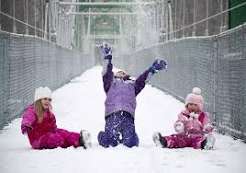
A family vacation doesn’t have to mean a week of screens in a hotel room. With a little planning, time away can be one of the most active stretches of the whole year.
Vacations are supposed to feel different from the daily routine, and for a lot of families that means finally slowing down. But slowing down doesn’t have to mean sitting still. Some of the best family memories come from vacations built around movement — hiking to a lookout together, learning to paddle a canoe, or racing down a toboggan hill as a family. These trips tend to be more memorable than passive ones, and they don’t need to cost more to plan.
The idea behind an active vacation isn’t to turn a relaxing trip into a bootcamp. It’s to build in a few activities that get everyone moving together, so the trip leaves behind more than just photos of a hotel pool and a stack of takeout containers.
Matching the Activity to the Season
Saskatchewan’s seasons each offer a completely different version of an active getaway, and both are worth planning around rather than defaulting to the same kind of trip every year.
Summer & long weekends
- Provincial park camping with trails suited to younger legs
- Canoe or kayak rentals on a calm lake
- Bike trails that loop back to a picnic spot
- Beach afternoons that include a family game, not just sunbathing
Winter breaks
- A cabin stay near cross-country ski or snowshoe trails
- Public skating or tobogganing as the trip’s anchor activity
- Short guided hikes suited to winter clothing and shorter days
- An indoor pool morning paired with an outdoor afternoon
Three Ways to Build Activity Into Any Trip
Pick a home base with trails nearby
Choosing accommodation close to a trail, beach, or rink means activity doesn’t require a separate drive — it just requires stepping outside the door.
Give the trip one signature activity
One planned highlight — a canoe trip, a hike to a viewpoint, a day of tobogganing — gives the whole vacation something active to build the rest of the schedule around.
Leave room for unplanned play
Some of the best active moments happen when there’s simply open time and open space, without a schedule attached to it at all.
A vacation with one great active day usually gets remembered more fondly than one packed with five average ones.
Keeping It Active Without Overplanning
It’s tempting to fill every hour of a vacation itinerary, but overscheduling can backfire — tired kids and rushed transitions often lead to more screen time, not less, once everyone needs a break to recover. A simpler approach works better: plan one active anchor per day, and let the rest of the time stay flexible. A morning hike followed by a relaxed afternoon at the cabin often lands better than a full day of back-to-back activities.
“Active vacations don’t need to be expensive ones. A tent, a bike rack, or a pair of borrowed snowshoes can open up a weekend that costs very little beyond gas and groceries.”
A note families often share with each other after a first attemptA Quick Packing List for Active Trips
A short checklist keeps the essentials from being forgotten in the rush to leave.
- Layered clothing for changing weather
- Sturdy footwear for trails or snow
- Refillable water bottles for each person
- A basic first aid kit
- Sunscreen or winter sun protection
- One shared game or ball for downtime
Making It a Yearly Habit
Families who keep this up year after year often say the same thing: it gets easier once it becomes expected rather than special. Once kids know that a family trip usually includes a hike, a paddle, or a ski, they start looking forward to that part specifically. Over time, an active vacation stops being an exception to the family’s routine and simply becomes how time off is spent — which is exactly the shift that makes physical activity feel like the easy choice, even away from home.
Common Mistakes to Avoid
- 1Choosing accommodation far from any trail or activity. Extra driving time is often the biggest reason a planned activity gets skipped.
- 2Packing every day with back-to-back plans. Tired, overscheduled kids tend to retreat to screens rather than stay active.
- 3Bringing gear no one has used before. New equipment is best tried once at home before a trip depends on it.
- 4Skipping a backup plan for bad weather. Having one simple indoor active option prevents a rained-out day from becoming a screen day.
Frequently Asked Questions
Common questions from Saskatchewan families planning their next active getaway.
Do we need to be experienced hikers or campers to plan an active trip?
No — starting with a short, well-marked trail or a single night of camping at a provincial park is a realistic starting point for a family with little prior experience.
What’s a realistic budget for an active weekend getaway?
Costs vary widely, but many active weekends can be built around borrowed or rented gear plus fuel and groceries, making them comparable to or cheaper than a typical hotel weekend.
How do we plan an active trip with kids of very different ages?
Choosing one flexible anchor activity — like a short hike with a turnaround point, or a beach afternoon — usually works better than picking something that demands the same skill level from everyone.
What should we do if the weather doesn’t cooperate?
Having one simple indoor backup, such as a local pool or an easy indoor obstacle game at the cabin, keeps the trip active even when outdoor plans have to change.
Is it worth planning the same active trip every year?
Many families find that repeating a favourite trip builds anticipation and makes the active habit stick, while others prefer rotating destinations — either approach works as long as movement stays part of the plan.